
5G Deployment in Africa: Hype vs Reality
February 12, 2026
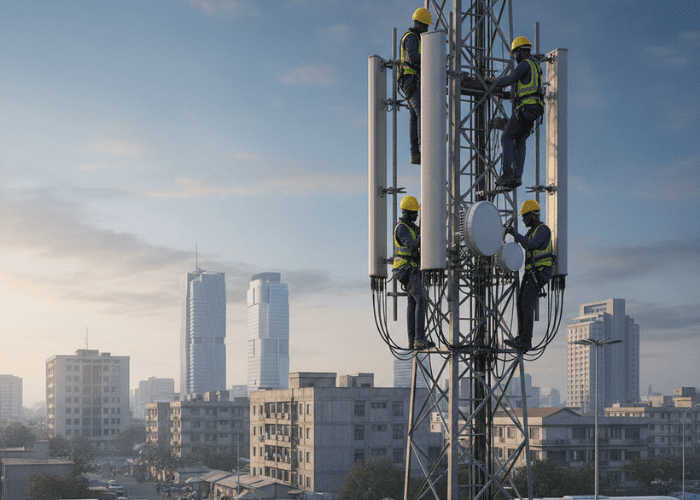
As next-generation connectivity gains global attention, discussions around 5G deployment in Africa continue to grow. Governments, businesses, and consumers are eager for faster speeds and improved performance. However, while expectations are high, the reality of 5G adoption across the continent remains uneven. Therefore, understanding both the hype and the limitations is essential for inclusive and sustainable digital growth across diverse communities.
The Hype Around 5G Connectivity
Supporters of 5G often highlight its potential to transform healthcare, education, manufacturing, and smart cities. For example, low latency could support remote medical consultations and real-time data services. Additionally, faster networks may improve online learning, digital collaboration, and content delivery. Moreover, 5G is expected to enable large-scale Internet of Things applications across industries. As a result, many policymakers and industry leaders view 5G as a key driver of Africa’s digital transformation and global competitiveness.
The Reality on the Ground
Despite this optimism, several challenges remain. Many African countries are still expanding reliable 4G coverage and fiber infrastructure, which are necessary foundations for 5G deployment. Furthermore, high rollout costs, limited spectrum availability, and regulatory complexities continue to slow progress. Consequently, early 5G networks are mostly concentrated in major urban centers. Rural and underserved communities often remain excluded. This gap raises concerns about widening the digital divide and unequal access to innovation.
Balancing Progress and Inclusion
Although full 5G adoption will take time, progress is visible across the continent. Pilot projects, targeted investments, and public-private partnerships are helping test practical use cases. In addition, lessons from earlier network rollouts emphasize the importance of inclusive planning and long-term sustainability. Therefore, policies must align infrastructure investment with digital skills development, public awareness, and local capacity building to ensure long-term impact.
📡 Building Informed Digital Communities: Through training, advocacy, and knowledge sharing, DotConnectAfrica helps communities and institutions understand and engage with Africa’s evolving connectivity ecosystem.

Recent Comments