
DCA Digital Digest: AI hallucinations lead to a new cyber threat: Slopsquatting
November 26, 2025

Tech giants’ indirect emissions rose 150% in three years as AI expands, UN agency says
A new UN report reveals that indirect carbon emissions from major tech firms have surged by 150% since 2022, driven largely by AI training models and data centre growth.
Companies such as Google, Microsoft, and Amazon have invested heavily in energy-intensive infrastructure, sparking fresh debate on AI’s environmental footprint. The report calls for transparent carbon accounting and faster renewable integration.
Source: REUTERS

AI hallucinations lead to a new cyber threat: Slopsquatting
Cybersecurity experts have identified a new type of AI-driven supply chain attack known as “slopsquatting,” where hackers exploit generative AI hallucinations to insert malicious code into developer tools.
This emerging threat highlights the growing risk of overreliance on AI-generated programming suggestions. Researchers recommend stronger validation tools and human oversight in software development pipelines.
Source: CSO ONLINE
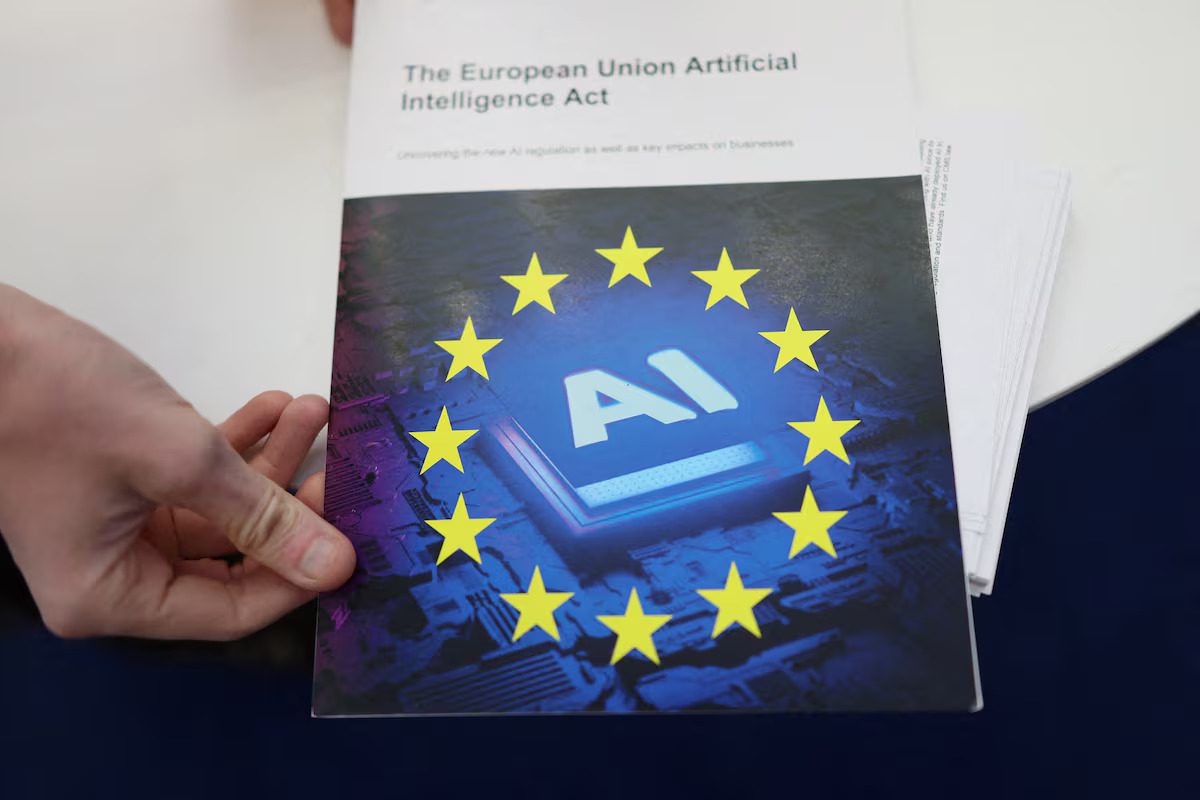
Tech lobby group urges EU leaders to pause AI Act
Europe’s largest tech lobby, DigitalEurope, has called on EU leaders to pause implementation of the AI Act, arguing that the law’s requirements could slow innovation and harm competitiveness.
Critics warn that relaxing the Act could weaken oversight of powerful AI systems like GPT-4. The EU Parliament insists the framework is essential to ensure responsible and ethical AI adoption across member states.
Source: REUTERS

Generative AI accelerates deepfake threats
Generative AI tools are making deepfakes easier and cheaper to produce, increasing the risk of fraud, identity theft, and social engineering.
Experts recommend stronger verification tools, digital watermarks, and regulatory oversight.
Source: DELOITTE

Recent Comments