
Digital Sovereignty in Africa: Who Controls the Continent’s Internet Infrastructure
February 19, 2026
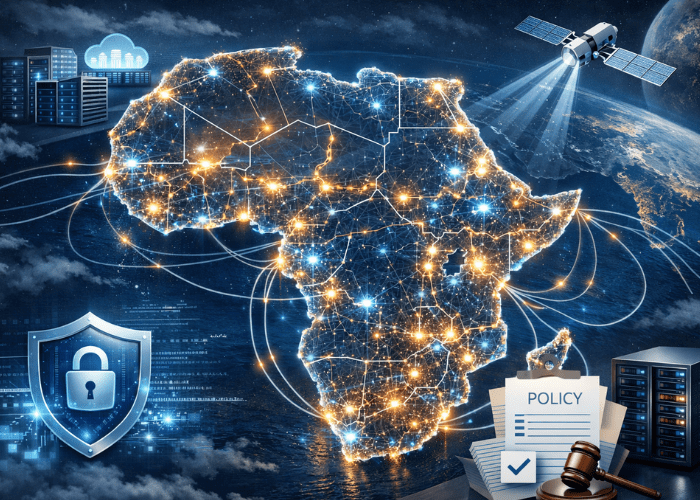
Africa’s digital economy is expanding rapidly. However, an important question remains: who controls the continent’s internet infrastructure? The issue of digital sovereignty in Africa is becoming central to policy discussions, economic development, and national security. As more services move online, control over data, networks, and platforms carries significant influence.
Why Digital Sovereignty Matters
Digital sovereignty refers to a country’s ability to control its digital infrastructure, data governance, and online policies. Across Africa, much of the internet infrastructure, including cloud storage, undersea cables, and major platforms, is owned or operated by foreign companies. While global partnerships bring investment and expertise, they also raise concerns about data protection, regulatory authority, and long-term independence.
Moreover, reliance on external platforms can limit local innovation. When infrastructure and digital services are controlled outside the continent, African governments and institutions may have reduced influence over pricing, standards, and cybersecurity frameworks.
Infrastructure, Data, and Regulation
Control of the internet extends beyond cables and servers. It includes data localization policies, cybersecurity laws, and digital trade agreements. Increasingly, African nations are exploring policies that encourage local data hosting, stronger privacy protections, and regional digital cooperation.
At the same time, collaboration remains essential. The internet is global by nature. Therefore, the goal is not isolation but balanced participation. Africa must strengthen its capacity to manage infrastructure while maintaining open and secure digital ecosystems.
Building Africa’s Digital Future
Digital sovereignty is ultimately about capacity. Investment in local talent, research, and regulatory expertise ensures that Africa can shape its digital future rather than simply consume external technologies. By strengthening institutional knowledge and policy awareness, countries can make informed decisions about infrastructure, governance, and partnerships.
📡 Building Informed Digital Communities: Through training, advocacy, and knowledge sharing, DotConnectAfrica helps communities and institutions understand and engage with Africa’s evolving connectivity ecosystem.

Recent Comments