
Africa’s AI Turning Point: Opportunity, Inequality, and Urgent Risks
December 1, 2025
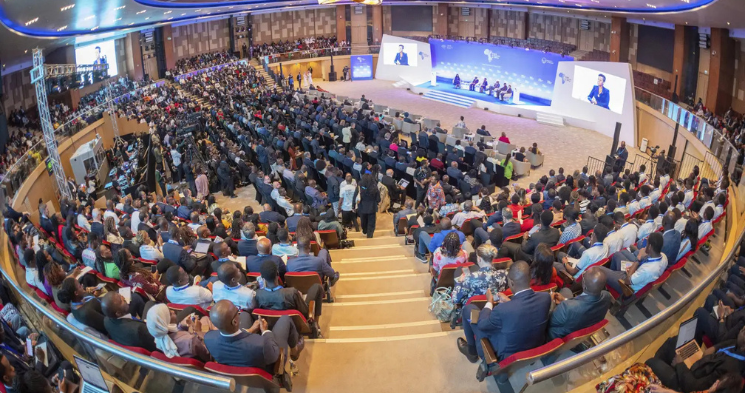
Africa AI risks and opportunities
Study says more women than men in Africa will likely lose outsourcing tasks to AI
A new report presented at the Global AI Summit for Africa in Kigali warns that women in Africa’s outsourcing and BPO sector face greater risk from AI automation than men.
The study reveals that women hold a higher share of administrative, clerical, and support roles, jobs that AI systems can automate more quickly.
Researchers estimate that up to 40% of tasks in the sector could be automated by 2030. They emphasize the need for urgent digital reskilling; otherwise, AI adoption could deepen gender inequality across the African job market.
Source: AP NEWS

Africa AI risks and opportunities
Microsoft to invest about $300 mln more in AI infrastructure in South Africa
Microsoft has announced plans to invest an additional 5.4 billion rand (about $300 million) in South Africa to expand its AI and cloud computing capabilities.
The investment includes new infrastructure projects and funding for 50,000 technical certifications, aimed at building local AI and digital skills.
This move aligns with Microsoft’s global strategy to scale data centers and support the growing demand for advanced AI model development.
Industry analysts say the investment positions South Africa as a rising AI hub on the continent.
Source: REUTERS
Meta Awards $200K to 12 African AI Startups
Meta has selected 12 innovative AI startups from Kenya, Nigeria, Senegal, and South Africa to receive a combined $200,000 in funding.
These startups were chosen from nearly 1,400 applicants, reflecting the rapid expansion of Africa’s AI entrepreneurship landscape.
The selected companies are developing AI solutions for agriculture, healthcare, education, and public services.
They will also compete for an additional $100,000 prize at the 2025 AI Summit, giving them further opportunities to scale.
Source: INNOVATION VILLAGE

Tech giants’ indirect emissions rose 150% in three years as AI expands, UN agency says
A United Nations report from the International Telecommunication Union (ITU) reveals that indirect carbon emissions from major tech firms, including Amazon, Microsoft, Alphabet, and Meta, surged by 150% between 2020 and 2023, driven largely by AI‑intensive data center growth.
The findings raise serious environmental concerns about how the rapid expansion of AI could exacerbate climate change, especially as these companies scale up.
Why it matters:
-
It highlights the hidden carbon cost of AI, beyond what companies directly emit.
-
There is a growing call for carbon accounting frameworks specifically for AI to create more responsible and transparent practices.
Source: REUTERS
Stay Informed on Africa’s AI Journey
Subscribe on Substack to AI@DCADigest to receive future articles and insights straight to your inbox. Stay updated on Africa’s AI innovations, risks, and opportunities, and be part of the conversation shaping the continent’s digital future.

Recent Comments