
AI and Climate Action: Innovations, Policies, and Global Efforts
February 16, 2026
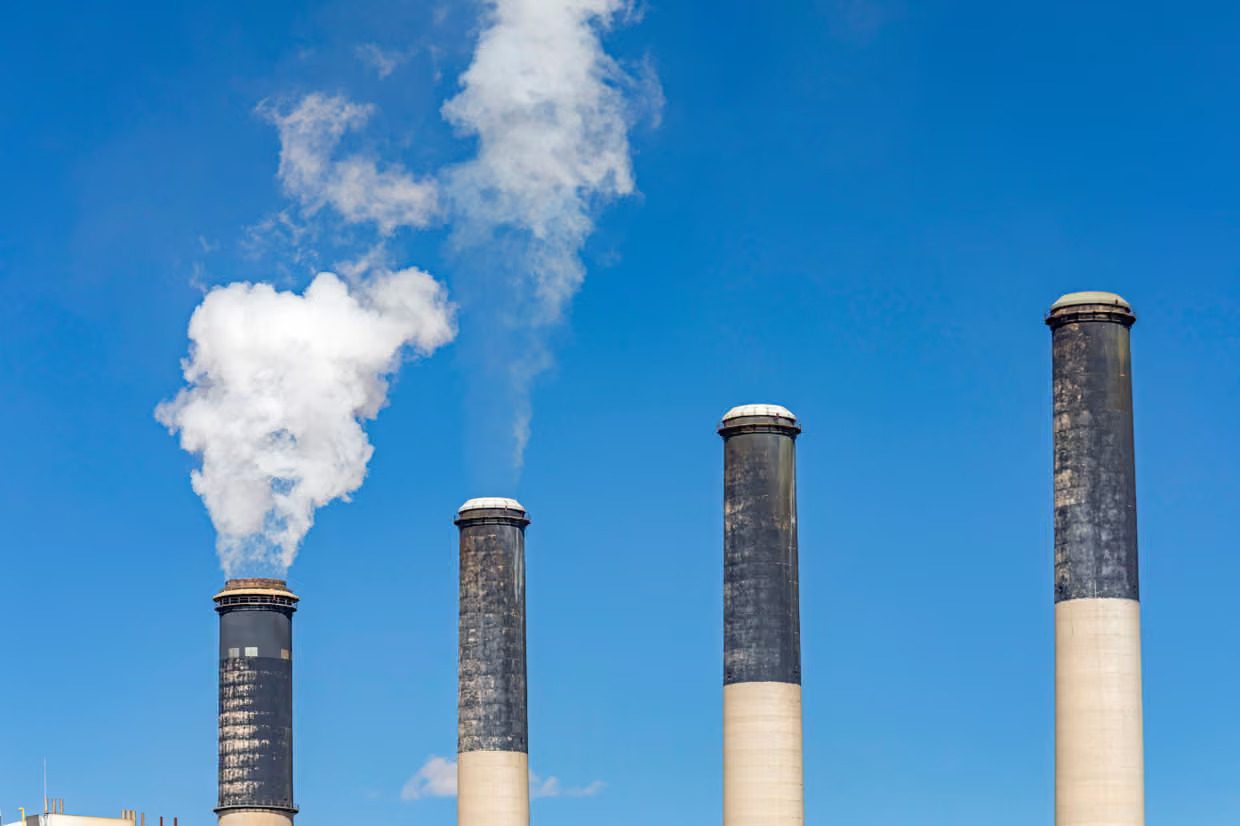
U.S. Surge in Gas-Fired Power Driven by AI Demands Raises Climate Concerns
A new energy analysis shows the U.S. is leading a global increase in gas-fired power plants to meet rising electricity demand from AI data centres.
Planned projects could generate tens of billions of tonnes of carbon emissions, accelerating climate change and worsening extreme weather worldwide. Critics warn fossil fuel expansion undermines clean energy goals, while advocates push for renewable alternatives.
Source: The Guardian

UNESCO Puts Sustainable AI in the Spotlight at Adopt AI Summit in Paris
UNESCO emphasized AI’s environmental impact and its potential to support climate action at the Adopt AI Summit in Paris.
Leaders called for global cooperation, green computing investments, and policy frameworks aligned with the UN Sustainable Development Goals to ensure AI advances sustainability rather than harms it.
Source: UNESCO

Responding to the Climate Impact of Generative AI
Experts from Massachusetts Institute of Technology proposed strategies to cut emissions linked to generative AI training and computing infrastructure.
Recommendations include improving data-centre efficiency, adopting renewable energy, and implementing techniques such as model pruning and carbon-aware training to reduce AI’s environmental footprint.
Source: MIT News

Hong Kong Scientists Launch New AI Model to Predict Extreme Weather
Researchers at Hong Kong University of Science and Technology developed the Deep Diffusion Model (DDMS) to improve forecasts of thunderstorms and heavy rainfall.
The system extends prediction time to four hours ahead with greater accuracy, strengthening early-warning systems as climate change increases extreme weather events.
Source: Reuters
🚀 Stay Ahead in AI-Driven Climate Action!
Subscribe on substack to AI@DCADigest for insights on AI innovation, sustainability policies, and global efforts shaping a climate-resilient future.

Recent Comments